

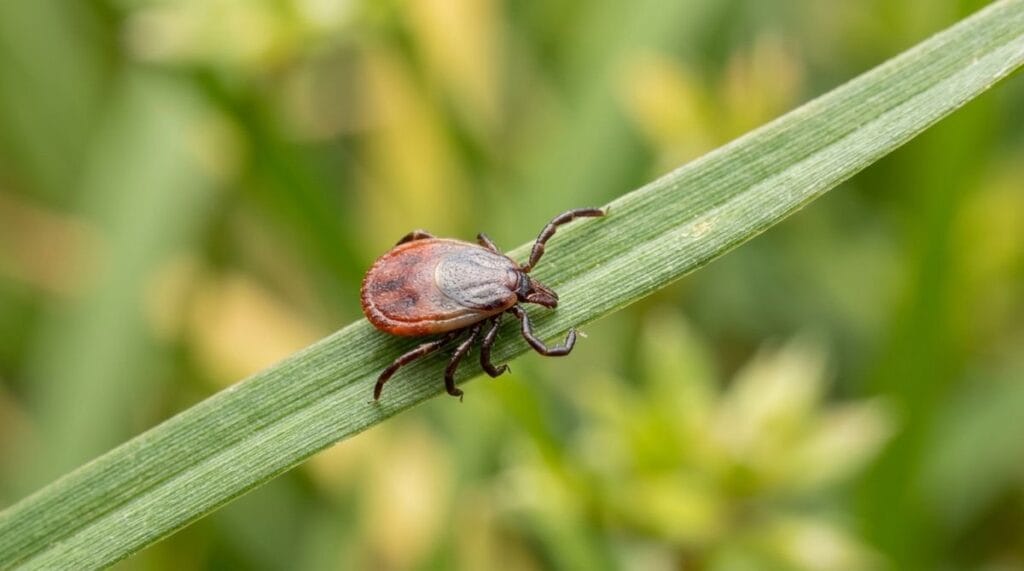
Paralysis ticks are active across Sydney and the New South Wales coast from spring to autumn, and they are the most dangerous tick in Australia for both pets and people. Found in bushland and leafy gardens, the paralysis tick injects a toxin that can cause life-threatening paralysis in dogs and cats, and serious allergic reactions in humans.
Here is how to identify a paralysis tick, remove one safely, and keep ticks out of your yard this season.
What Is a Paralysis Tick?
The paralysis tick (Ixodes holocyclus) is a native Australian tick that lives along the humid east coast. According to the Australian Museum, it is found within roughly 20 kilometres of the coast from northern Queensland down to Victoria, and the Sydney region sits squarely in its range. It normally feeds on native animals such as bandicoots and possums, then waits on grass and low shrubs to attach to a passing host, including you or your pet.
Unlike most ticks, the paralysis tick produces a toxin in its saliva that attacks the nervous system. That toxin is what makes it so dangerous, especially to dogs and cats.
What Does a Paralysis Tick Look Like?
An unfed paralysis tick is tiny, only 1 to 2 millimetres, and can be very hard to spot. As it feeds it swells to the size of a small pea and turns a distinctive light grey to blue-grey colour. The clearest identification feature is its legs: all eight are clustered towards the head end, rather than spread evenly along the body.
It helps to know how the paralysis tick compares with the other ticks you might find in Sydney.
| Tick | Appearance | Where found | Danger |
|---|---|---|---|
| Paralysis tick | Light grey to blue-grey when engorged, legs clustered near the head | Bushland and gardens along the NSW east coast | High: toxin causes paralysis in pets and allergic reactions in people |
| Bush tick | Dark brown, flatter body | Similar coastal and bushland areas | Lower: irritation and some disease risk, but not paralysis |
| Cattle tick | Reddish-brown | Mostly northern NSW and Queensland | Mainly a livestock pest |
Where and When Are Paralysis Ticks a Problem in Sydney?
Paralysis ticks turn up wherever gardens back onto bush or where native animals roam, so the Northern Beaches, the North Shore, the eastern suburbs and the bushland fringes of the Sutherland Shire all see plenty of them. Any leafy, shaded yard with long grass, shrubs and leaf litter can harbour ticks, even well inside the suburbs.
The tick season runs from spring through to autumn, roughly September to April, with the heaviest activity in the warm, humid months of spring and early summer. This makes right now the most important time of year to stay tick aware.
Are Paralysis Ticks Dangerous to Humans and Pets?
Yes, and this is the key difference from other ticks. In people, a bite can cause a local reaction, and some develop a lasting tick allergy, which in rare cases is linked to a serious allergy to red meat. Tick paralysis in humans is uncommon but possible, particularly in children. NSW Health advises anyone who feels unwell after a tick bite to see a doctor.
Pets are most at risk. Dogs and cats can develop tick paralysis, which is a veterinary emergency and can be fatal without prompt treatment.
Signs of tick paralysis in dogs and cats
- Wobbly, weak or unsteady back legs.
- A change in bark or meow, or noisy breathing.
- Vomiting, drooling or trouble swallowing.
- Loss of appetite and lethargy.
If you notice any of these signs, contact your vet immediately, whether or not you have found a tick.
How Do You Safely Remove a Paralysis Tick?
How you remove a tick matters. Squeezing or disturbing it can inject more toxin and saliva. NSW Health recommends you do not scratch or pluck at the tick. Instead:
- Do not squeeze, twist or pull the body with your fingers.
- For a paralysis tick, freeze it in place with an ether-based spray from the chemist and let it drop off.
- If you prefer to remove it, use fine-tipped forceps or a tick remover, grip as close to the skin as possible, and pull straight out without crushing the body.
- Wash the area with soap and water afterwards.
- Keep the tick in a sealed bag in case your doctor or vet needs to see it, and watch for symptoms over the following days.
If you are unsure, or you have a reaction, see your GP. For pets, do not wait: call your vet.
How Can You Keep Paralysis Ticks Out of Your Yard?
You cannot change the bushland next door, but you can make your own yard far less tick friendly:
- Mow the lawn regularly and keep it short.
- Clear leaf litter, long grass and garden debris where ticks shelter.
- Trim shrubs and keep garden beds tidy, especially along fence lines.
- Create a barrier of gravel or mulch between bushland and your lawn.
- Reduce harbourage for bandicoots and possums, and keep woodpiles off the ground.
- Check pets and family after time in the garden or bush.
For a full seasonal plan across every common pest, see our guide to spring pest control.
When Should You Call a Pest Control Professional?
If your property borders bushland, or you keep finding ticks on your family or pets, a professional yard treatment can knock down the tick population in the areas you use most. Our tick control service targets ticks in the lawn, garden beds and shaded harbourage around the home, and a professional pest inspection can identify the hot spots on your block. It pairs well with our general residential pest control, which also covers other warm-weather biters like mosquitoes. To be clear, we treat the yard and home: for a tick bite please see your GP, and for a sick pet see your vet straight away.
Frequently Asked Questions
What does a paralysis tick look like?
A paralysis tick is tiny when unfed, only 1 to 2 millimetres, and swells to pea size as it feeds, turning light grey to blue-grey. Its clearest feature is that all eight legs are clustered towards the head end rather than spread along the body.
What are the symptoms of a paralysis tick bite?
In people a bite can cause a local reaction, and some develop a lasting tick allergy. Rarely it can cause tick paralysis, with weakness or unsteadiness. See a doctor if you feel unwell after a bite. In pets, watch for wobbly back legs, a changed bark or meow, vomiting or breathing trouble, and call a vet immediately.
How do you safely remove a tick?
Do not squeeze or pluck at it. Freeze a paralysis tick with an ether-based spray from the chemist and let it drop off, or remove it with fine-tipped forceps gripping close to the skin and pulling straight out. Wash the area, keep the tick, and watch for symptoms.
When is tick season in Sydney?
Paralysis ticks are most active from spring to autumn, roughly September to April, peaking in the warm and humid months of spring and early summer. They can be found year round in sheltered bushland gardens.
How do I keep ticks out of my yard?
Mow often, clear leaf litter and long grass, trim shrubs along fence lines, and create a gravel or mulch barrier between bush and lawn. Reduce shelter for bandicoots and possums, and consider a professional yard tick treatment if your home borders bushland.