Many people are surprised to learn that cockroaches spend a lot of time grooming themselves. This often leads to questions like are roaches clean or are cockroaches clean. However, despite their cleaning behaviour, cockroaches are still considered one of the dirtiest household pests due to where they live and the bacteria they spread.
Understanding the truth about cockroach hygiene is important for protecting your health and preventing infestations. If you notice signs of cockroaches indoors, professional pest management and a proper pest inspection can help identify the source of the problem early.
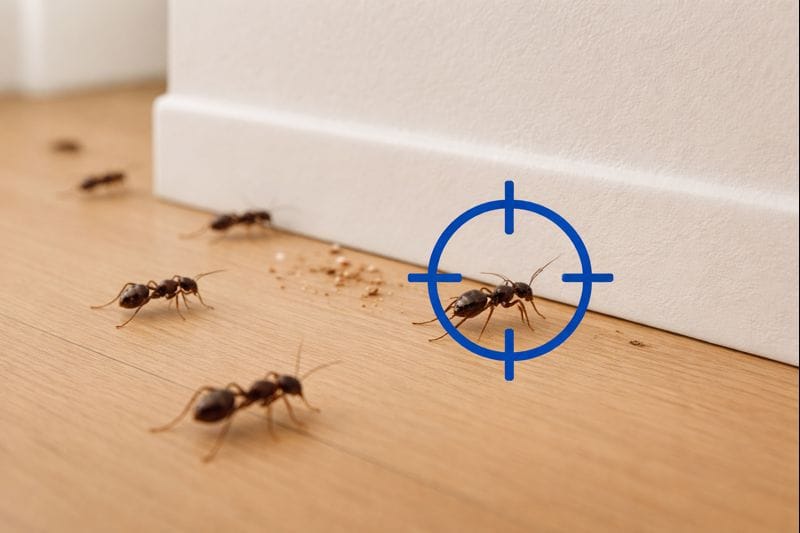
Australia is home to more than 1,300 known ant species — and a good number of them will find their way into your Sydney home if given half a chance. Whether you’re dealing with a trail of tiny black ants marching across your kitchen bench, a bull ant lurking in the backyard, or something you can’t quite identify, knowing what you’re up against is the first step to dealing with it.
This guide covers the most common types of ants in Australia — what they look like, where they nest, how dangerous they are, and what to do when they become a problem. If you already have an infestation, our residential pest control team can help.
Australian Ant Species: The Most Common Ants You’ll Find in Sydney
Sydney’s warm, humid climate suits ants perfectly. These are the species you’re most likely to encounter around the home.
Black House Ants (Ochetellus glaber)
The classic tiny black ants in the house. Black house ants are 2–3 mm long, shiny, and almost always found in kitchens and bathrooms chasing food scraps or moisture. They nest in wall cavities, roof spaces, and garden beds close to the house. Nuisance more than dangerous — but an untreated colony can number in the tens of thousands.
Bull Ants / Bulldog Ants (Myrmecia spp.)
Hard to miss. Bull ants are large (up to 25 mm), aggressive, and equipped with a painful sting. They nest underground in gardens, parks, and bushland edges — common in Sydney’s outer suburbs. Unlike most ants, they forage alone and can track movement with their large eyes. Handle with care.
Coastal Brown Ants (Pheidole megacephala)
One of the most common garden ants in coastal Sydney. Coastal brown ants are small (1.5–2 mm), form massive colonies, and are known for undermining pavers and garden paths. They nest in soil and under objects on the ground. A large colony can cause structural damage to garden areas over time.
Green-Head Ants (Rhytidoponera metallica)
Easily identified by their metallic green-purple sheen. Green-head ants are a native species found throughout Sydney, particularly in lawns and garden beds. Their sting is sharp and can cause a strong localised reaction, so they’re worth knowing about if you have kids playing outside.
Carpenter Ants (Camponotus spp.)
Australia’s carpenter ants are among the largest ants you’ll see — up to 15 mm. They don’t eat wood like termites, but they excavate it to build galleries, which can weaken timber structures over time. Often found in older Sydney homes with damp or decaying timber. Worth treating promptly.
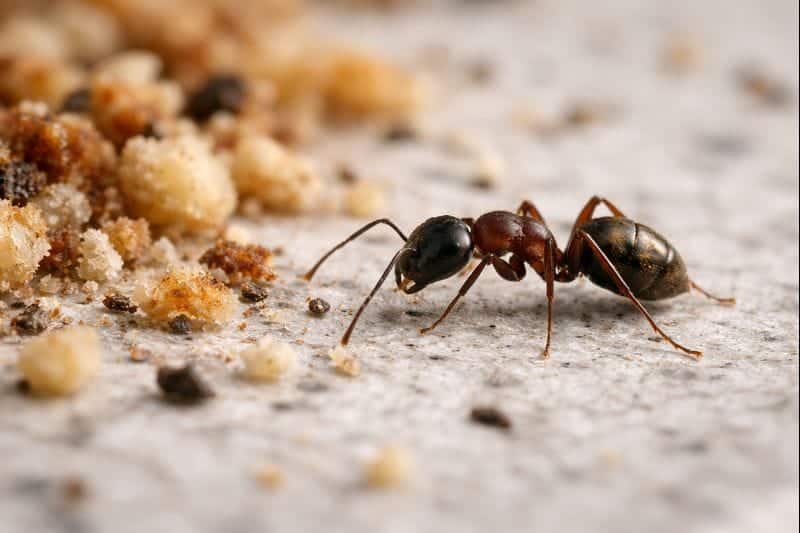
Invasive Ant Species in Australia You Need to Know
Beyond the native species, Australia has a serious problem with invasive ants — some of which pose significant risks to human health, agriculture, and local ecosystems.
Fire Ants (Solenopsis invicta)
Fire ants are currently the most dangerous invasive ant species in Australia. Established in south-east Queensland, they are under active biosecurity containment. While not yet found in Sydney, they represent a genuine threat — and with 14,000 monthly searches in Australia, they’re clearly on people’s radar. If you see a large reddish-brown ant with a distinctive mound nest, report it immediately to the National Fire Ant Eradication Program.
Argentine Ants (Linepithema humile)
Argentine ants form enormous supercolonies that can stretch hundreds of metres. They’re small, pale brown, and relentless — they outcompete native ants and are very difficult to eradicate with DIY methods alone. Common in inner Sydney, particularly in gardens with moisture.
Pharaoh Ants (Monomorium pharaonis)
A pest of hospitals, aged care facilities, and commercial buildings as much as homes. Pharaoh ants are tiny (1.5 mm), yellowish, and nest inside wall cavities, behind skirting boards, and in electrical fittings. They’re notoriously hard to control — baiting is required, not spraying, as spraying causes colonies to split.
Electric Ants (Wasmannia auropunctata)
Also known as little fire ants. Currently under eradication in parts of QLD and NT. Electric ants cause a burning sting out of proportion to their tiny size (1.5 mm). Not established in Sydney, but worth knowing if you’re travelling to northern Australia.
Australian Ant Identification: How to Tell Ant Species Apart
Identifying Ants by Colour and Size
A quick visual guide for Sydney homeowners:
- Tiny black, shiny: Black house ant
- Large (20+ mm), red-black, aggressive: Bull ant
- Small, pale brown, garden paths: Coastal brown ant
- Metallic green-purple sheen: Green-head ant
- Large (10–15 mm), black or dark brown: Carpenter ant
- Small, pale brown, inside walls: Pharaoh ant or Argentine ant
Identifying Ants by Behaviour
Behaviour is often as useful as appearance. Bull ants forage alone; black house ants form long trails; Argentine ants travel in wide, disorganised masses; carpenter ants are most active at night.
Using an Australian Ants Identification Chart
The CSIRO and various state government agencies publish ant identification resources. When in doubt, photograph the ant next to a coin for scale and contact a licensed pest controller — correct identification is essential before treatment.
Are Australian Ants Dangerous?
Bull Ant Sting: What to Expect
A bull ant sting delivers immediate, sharp pain, followed by localised swelling and redness that can last several hours. Most people recover without treatment, but apply a cold pack and take an antihistamine if needed. Avoid squashing the ant — the alarm pheromones can trigger other ants to attack.
Fire Ant Sting and Health Risks
Fire ant stings cause a burning sensation and result in fluid-filled pustules that can persist for days. Multiple stings can trigger a severe systemic reaction. In rare cases, anaphylaxis is possible. Seek medical attention immediately if you experience symptoms beyond the sting site.
Ant Allergies and Anaphylaxis in Australia
Jack jumper ants (common in Tasmania and parts of regional NSW) cause more anaphylaxis deaths in Australia than bee stings. If you or a family member has a known insect allergy, carry an EpiPen and seek a medical assessment. For ongoing risk in and around your home, professional pest inspection is the safest option.
Why Do Ants Come Inside Your Home?
Food, Moisture and Warmth
Ants are opportunists. A crumb on the kitchen bench, a dripping tap under the sink, or the warmth of a roof cavity in winter — any of these is enough to draw a colony close to your home. Once a scout finds a food source and lays a pheromone trail, hundreds of workers follow within hours.
How Ants Get Into Houses
Ants enter through gaps around pipes, cracks in the foundation slab, weep holes in brickwork, and gaps around window frames. Sydney’s older terrace homes and federation-era houses are particularly susceptible given the number of entry points timber construction creates over time.
Tiny Black Ants in the House: What They Are
In most Sydney homes, the tiny black ants trailing across your bench or bathroom tiles are black house ants (Ochetellus glaber). They’re harmless to humans but contaminate food and are a sign of a larger colony nearby. Address the food and moisture source first, then treat.
Signs of an Ant Infestation in Your Home
Ant Trails and Foraging Patterns
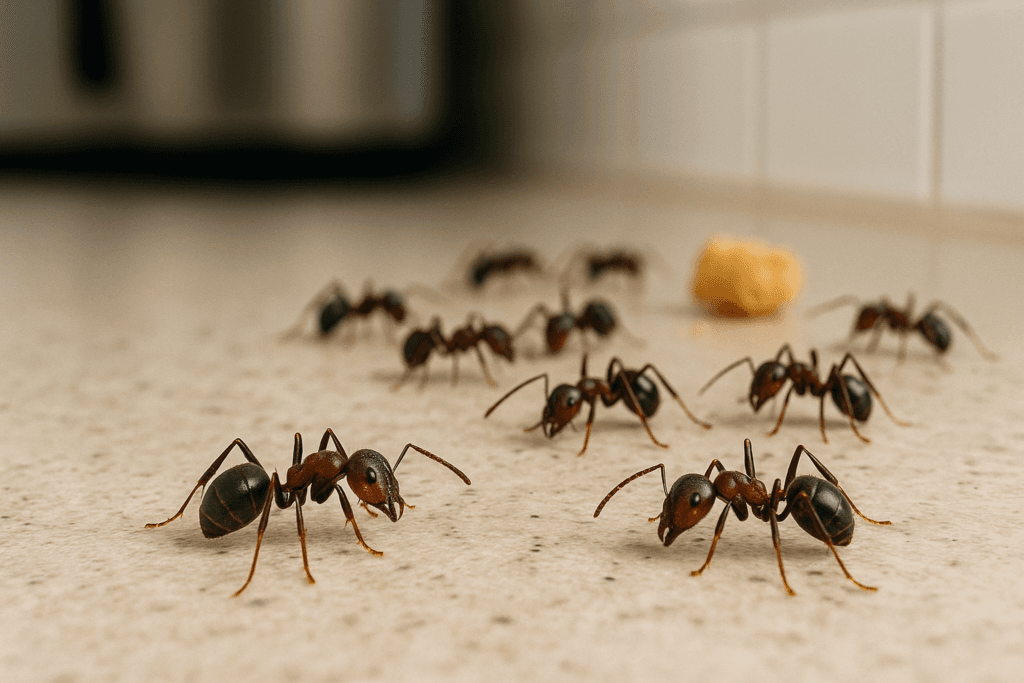
A visible trail of ants — particularly in the kitchen, bathroom, or around the back of appliances — is a clear sign of an active colony nearby. The trail is a pheromone highway. Wiping it down temporarily breaks the trail, but the ants will re-establish it unless the source is addressed.
Nests in Walls, Gardens and Pavers
Fine soil or sandy debris appearing around the base of walls, under pavers, or near the foundation is a sign of nesting activity. Carpenter ant infestations may produce small piles of sawdust-like frass near timber structures.
Flying Ants in Australia: What They Mean
Flying ants (alates) are reproductives leaving the colony to mate and start new colonies. A swarm of flying ants inside your home — particularly from wall cavities or ceiling voids — strongly suggests an established nest inside the structure. This is worth treating immediately, as it signals the colony is mature and large.
How to Get Rid of Ants in Australia
DIY Ant Control Methods
For minor nuisance ant activity, these steps can help:
- Remove food sources: store food in sealed containers, clean bench surfaces after cooking
- Fix moisture issues: repair leaking taps, ensure subfloor ventilation is adequate
- Seal entry points: use silicone caulk around pipes, weep holes, and window frames
- Use bait stations (not spray) for species like pharaoh ants — spraying causes colony splitting
- Diatomaceous earth around entry points can deter ants without chemicals
When to Call a Professional Pest Controller
DIY methods work for small, localised ant activity. But if you’re seeing trails in multiple rooms, finding nests inside the structure, dealing with carpenter ants in timber, or if the species is hard to identify — professional treatment is the right call. Our ant pest control service uses targeted treatments safe for kids and pets.
How to Prevent Ants from Coming Back
Remove Food and Water Sources
The single most effective ant prevention measure is eliminating what attracted them in the first place. This means tight-fitting bin lids, no pet food left out overnight, and addressing any plumbing leaks under sinks or in the laundry.
Seal Entry Points
Walk around your home’s perimeter and seal gaps around pipes, conduits, and weep holes. Keep vegetation and mulch away from the foundation — garden beds directly against the house give ants a sheltered path straight to the structure.
Regular Pest Inspections
An annual pest inspection gives you an early warning of ant activity before it becomes a serious infestation. This is especially valuable for homes in bushy or garden-heavy areas of Sydney where bull ants, carpenter ants, and coastal brown ants are common.