
It is late, the house is quiet, and then you hear it: a scratching, scurrying or soft thumping coming from directly above your ceiling. If you have ever lain awake wondering what is moving around up there, you are not alone. Noises in the roof at night are one of the most common reasons Australian homeowners call a pest professional, and in most cases the sounds point to an unwelcome visitor that has made itself at home in your roof void. The good news is that identifying the culprit early — and booking a rodent control service when needed — can stop a small problem from turning into an expensive one.
In this guide we walk through the most common causes of night-time roof noises in Sydney homes, how to tell them apart, and what you should do next.
Why Roof Noises Are Almost Always Worse at Night
Most of the animals that end up in your roof are nocturnal, which is exactly why the noises seem to start the moment you switch off the lights. Rodents, possums and some insects are most active after dark, when the house is quiet and predators are less of a threat. During the day they sleep in the insulation, wall cavities or the darkest corners of the roof void; at night they move around to feed, gather nesting material and explore.
The quiet of night also means small sounds carry further. A noise you would never notice during a busy day becomes obvious once the television is off and the household is asleep. So while it can feel like the activity only happens at night, in reality you are simply hearing what has been there all along.
The Most Common Causes of Noises in the Roof at Night
Rats and Mice
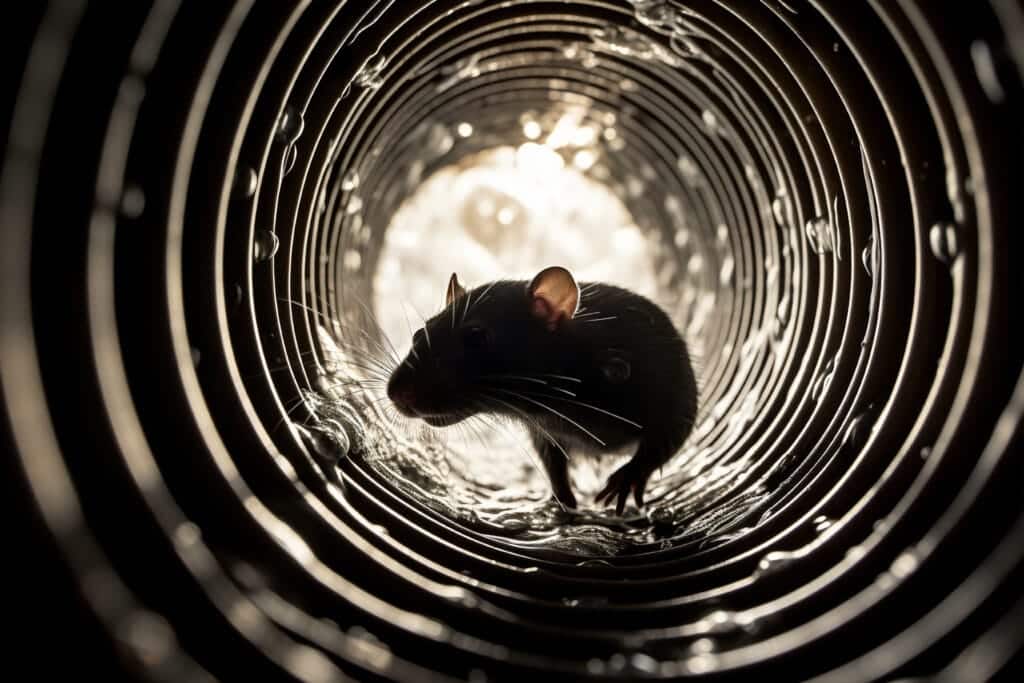
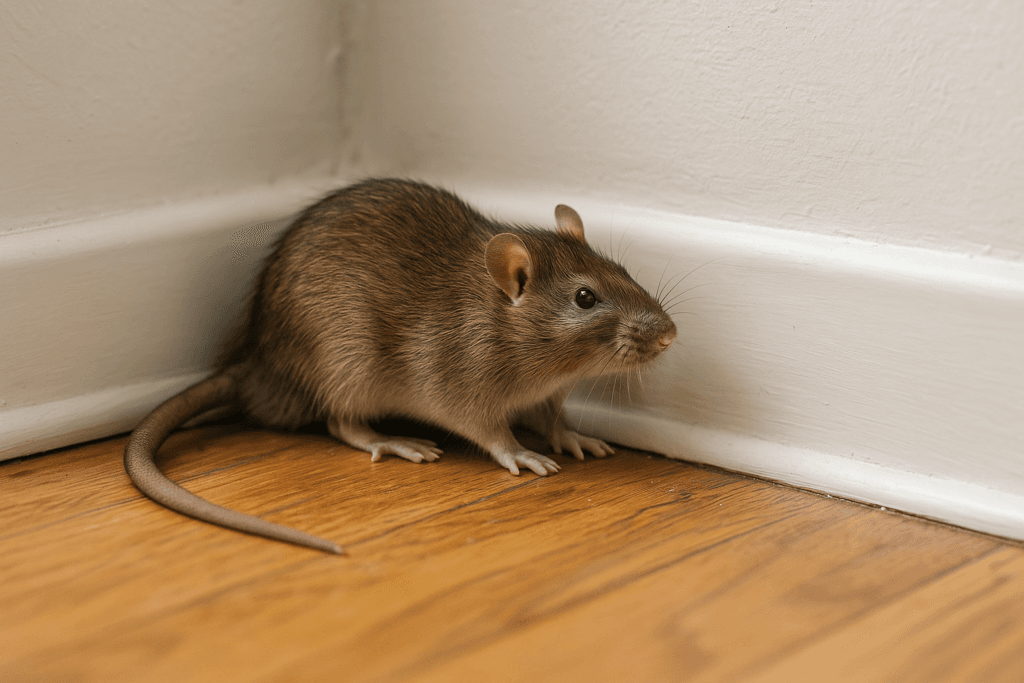
By far the most frequent cause of night-time roof noise in Australia is rodents. Rats and mice produce a distinctive fast scratching and scurrying sound, often accompanied by gnawing as they chew through timber, cabling and stored items. You may hear them running in short bursts across the ceiling, then pausing, then moving again.
Rodents are more than just a nuisance. They chew electrical wiring — a genuine fire risk — contaminate insulation with droppings and urine, and breed rapidly once established. A single pair can multiply into a serious infestation within months. If the sounds you are hearing are quick, light and scratchy, rodents are the most likely explanation and professional rodent control is the safest way to deal with them.
Possums
Possums are heavier and slower than rodents, so the sounds they make are quite different: think loud thumping, heavy shuffling and the occasional hiss or screech. Brushtail possums in particular love the warm, sheltered space of a roof void. Because possums are a protected native species in Australia, they cannot be harmed or relocated far from where they are found, so dealing with them requires the right approach and, in some cases, a licensed operator.
Birds
If the noise is more of a fluttering, chirping or soft scratching near the eaves — and tends to start at dawn rather than deep in the night — birds may have nested in your roof or gutters. Nesting birds bring their own problems: droppings, mites, blocked gutters and noise. Our bird pest control service can safely remove nests and install deterrents to keep them from coming back.
Insects
Not all roof noises come from animals. A faint, papery rustling or a soft clicking can sometimes be insects — wasps building a nest, or in the worst case, termites working through timber. Termite activity is usually silent, but a hollow-sounding beam or fine tapping is worth taking seriously given the structural damage termites can cause.
How to Tell What Is in Your Roof
You can narrow down the culprit by paying attention to a few clues:
- Speed and weight of the sound — fast and light usually means rodents; slow and heavy points to possums.
- Timing — activity in the dead of night suggests rodents or possums, while dawn and dusk noise often means birds.
- Type of sound — scratching and gnawing (rodents), thumping and hissing (possums), fluttering and chirping (birds), rustling or tapping (insects).
- Other signs — droppings, chewed wires, greasy smudge marks along beams, a musty smell, or nesting material in the insulation.
Because several pests can produce similar sounds, guessing wrong can waste time and let the problem grow. A professional pest inspection will confirm exactly what you are dealing with and how far the activity has spread before any treatment begins.
What You Should Do Next
If you are hearing noises in your roof at night, here is a sensible order of action:
- Do not ignore it. Roof-dwelling pests rarely leave on their own and almost always multiply. The earlier you act, the smaller and cheaper the job.
- Avoid climbing into the roof yourself. Roof voids are dangerous — unstable ceilings, exposed wiring, insulation dust and the risk of a cornered animal biting or scratching.
- Do not use supermarket baits blindly. Poison can leave an animal to die inside a wall cavity, creating an odour problem that lasts for weeks, and it poses a risk to pets and children.
- Book a professional inspection. A licensed technician can identify the pest, find the entry points, and recommend a treatment and exclusion plan that actually keeps them out.
How Wallace Pest Solutions Can Help
At Wallace Pest Solutions, we deal with roof-dwelling pests across Sydney every week. Our technicians inspect the roof void, identify the species, locate how they are getting in, and put together a plan that removes the current problem and seals the entry points so it does not happen again. Whether it turns out to be rodents, birds or something else, we handle it safely, humanely and in line with Australian regulations.
If the scratching in your ceiling is keeping you up at night, do not wait for it to get worse. Contact Wallace Pest Solutions today to book an inspection and get your roof — and your sleep — back.