
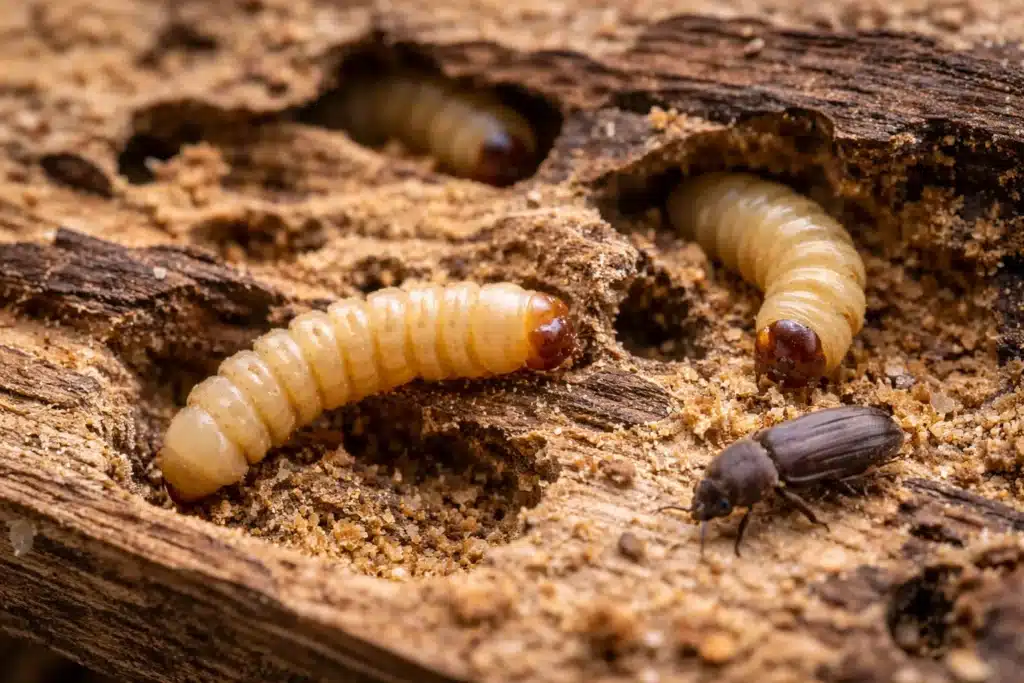
Dealing with termites is one of the most serious pest problems a homeowner can face. If you’re searching how to get rid of termites, it’s important to act quickly — termite damage can progress silently and become extremely costly.
In Australia, termite activity is widespread, and without proper protection, even modern homes are at risk. That’s why professional pest control services are essential for detecting and eliminating infestations before they cause structural damage.
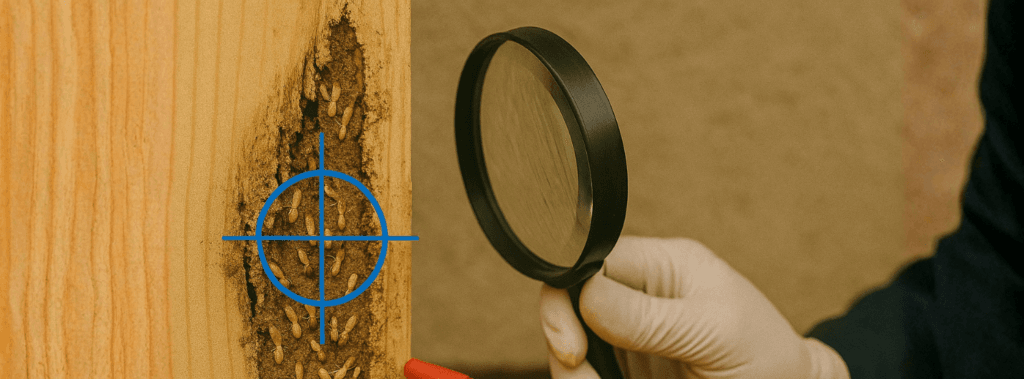
Why Termite Control Is Essential for Your Home
Termites feed on wood and cellulose, meaning they can damage:
- Structural timber
- Flooring and walls
- Furniture
- Outdoor structures
Many homeowners don’t realise that termites are often called white ants — but is there any difference between white ants and termites?
A single termite colony can contain thousands of individuals, working continuously and often undetected.
How to Tell If You Have a Termite Problem
Mud Tubes
Thin, tunnel-like structures on walls or foundations used by termites to travel safely.
Discarded Wings
After swarming, termites shed wings near windows or doors.
Damaged or Hollow Wood
Wood that sounds hollow when tapped is a common warning sign.
Termite Droppings
Small pellet-like droppings near wooden structures.
What Attracts Termites to Your Home and Garden
Moisture and Water Leaks
Damp environments are ideal for termite survival.
Wood and Organic Materials
Untreated wood and debris attract feeding termites.
Soil and Garden Conditions
Termites thrive in soil with high moisture and organic matter.
How to Get Rid of Termites Inside the House
If you’re dealing with how to get rid of termites inside the house, avoid disturbing them. This can cause the colony to spread.
Effective solutions include:
- Professional inspection
- Targeted treatments
- Monitoring systems
DIY solutions rarely eliminate the root problem.
How to Get Rid of Termites in Walls, Trees and Outdoor Areas
Termites in Walls
If searching how to get rid of termites in wall, professional access and treatment are required to reach hidden colonies.
Termites in Trees
For how to get rid of termites in a tree, removal or treatment depends on the level of infestation.
Termites in Garden Soil
Understanding how to get rid of termites in the garden involves treating soil and removing organic attractants.
Can You Get Rid of Termites Permanently?
Many homeowners ask: can you get rid of termites permanently?
The reality:
- You can eliminate active infestations
- But ongoing protection is required
- Termites can return without preventive systems
Long-term control is the goal.
What Are the Different Types of Termite Treatments?
Professional termite treatment options include chemical barriers, baiting systems, and targeted applications designed to eliminate the colony.
Non-Chemical Treatments
Includes physical barriers and monitoring systems.
Chemical Treatments
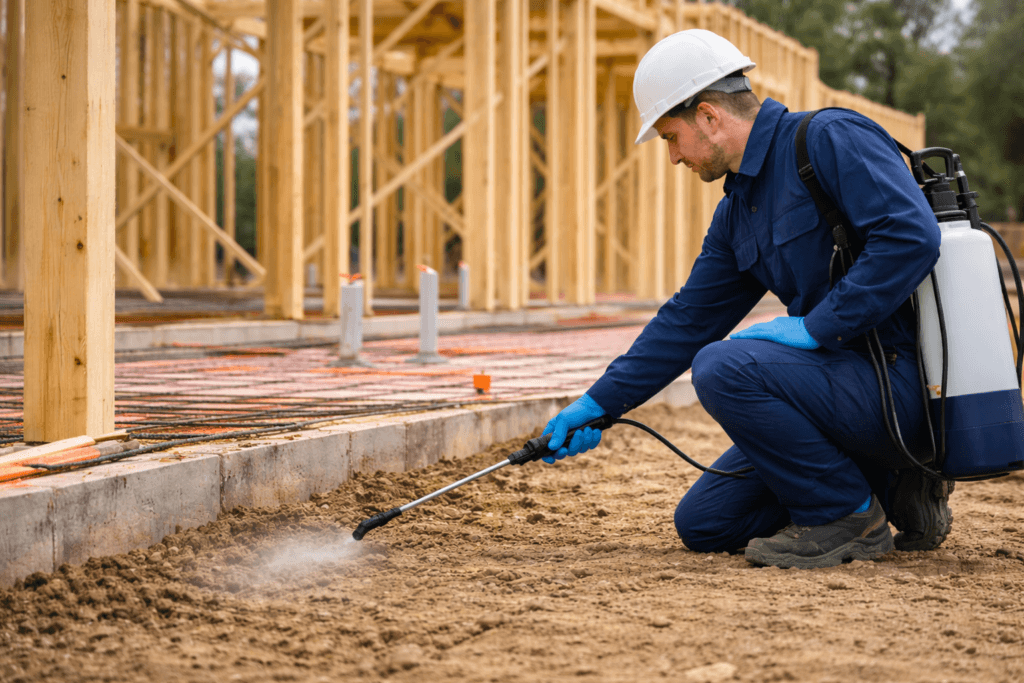
Liquid termiticides create protective zones around properties.
Conventional Barrier Treatments
Chemical barriers are applied to soil to prevent termite entry.
Termite Baits
Baits attract termites and eliminate the colony over time.
Wood Treatments
Protective coatings prevent termites from feeding on timber.
DIY Methods to Prevent Termite Infestations
Reduce Moisture Around the Property
Fix leaks and improve drainage.
Keep Slab Edges Exposed
Allows easier detection of termite activity.
Check Electrical Meter Boxes
Common entry points for termites.
Install Physical Barriers
Helps block access from soil to structure.
Use Ant Caps for Protection
Prevents termites from reaching timber structures.
When to Call a Professional Termite Control Service
If you notice signs of termite infestations, immediate action is required.
Professional services:
- Identify the source of the problem
- Eliminate the colony
- Install long-term protection systems
Understanding how to deal with termites is essential for protecting your property. While there are many approaches to managing termites, the most effective solutions focus on both elimination and prevention.
If you’re dealing with termites or want to protect your home long-term, professional pest control is the safest and most reliable option.