

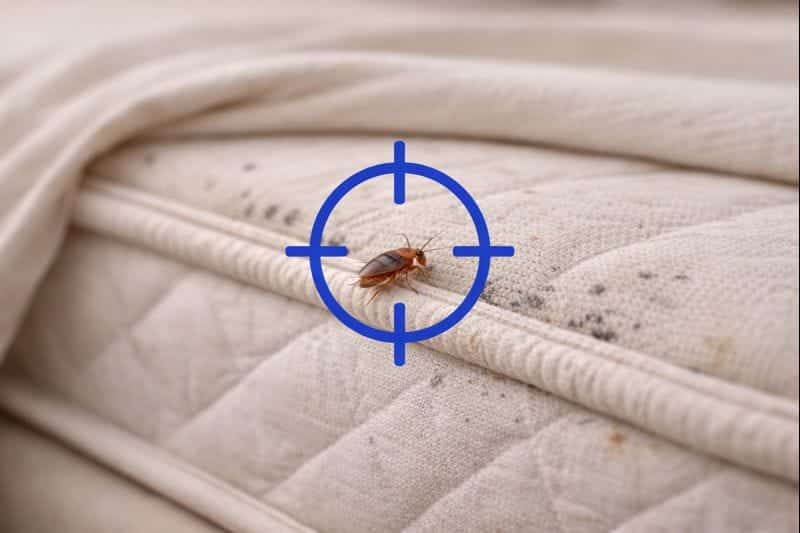
When dealing with itchy skin or unexplained irritation, many people immediately assume insect bites. But understanding the difference between dust mite bites vs bed bugs is essential, as they require completely different solutions.
While bed bug bites are caused by visible insects feeding on blood, dust mite bites are often misunderstood — as dust mites don’t actually bite. Instead, they trigger allergy symptoms that can feel similar to bites.
If you’re unsure what’s causing the problem, professional pest control services can help identify and eliminate the source quickly and effectively.
What Are Dust Mites
Dust mites are microscopic organisms that live in household dust and feed on dead skin cells.
What Do Dust Mites Look Like
If you’re wondering what do dust mites look like, they are:
- Invisible to the naked eye
- Tiny, translucent creatures
- Only visible under a microscope
Where Dust Mites Live in Your Home
Dust mites thrive in:
- Mattresses and bedding
- Carpets
- Upholstered furniture
- Curtains and soft fabrics
They are especially common in warm, humid environments.
What Are Bed Bugs
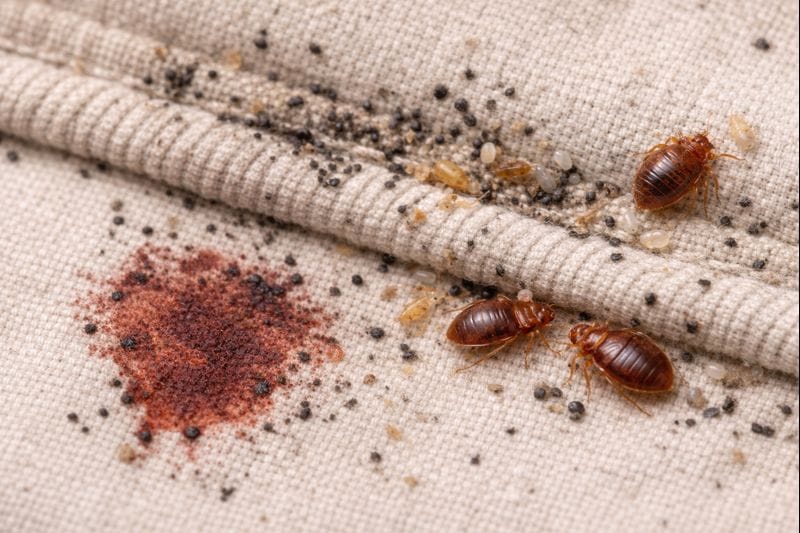
Bed bugs are small parasitic insects that feed on human blood, usually at night.
What Bed Bugs Look Like
- Flat, oval-shaped bodies
- Reddish brown colour
- About the size of an apple seed
Where Bed Bugs Hide
They are commonly found in:
- Mattress seams
- Bed frames
- Cracks in furniture
- Behind walls or electrical outlets
Signs of Bed Bugs Including Shed Skins and Musty Odor
Common indicators include:
- Small blood stains
- Shed skins
- A strong, musty odor
- Live insects in hiding spots

Dust Mite Bites vs Bed Bug Bites Key Differences
Physical Appearance of Bites
- Bed bug bites: red, raised, inflamed
- Dust mites bites: actually skin irritation, not true bites
Bite Patterns and Location on the Body
- Bed bugs: often appear in lines or clusters
- Dust mites: more random, linked to contact with bedding
Itchy Skin and Allergic Reactions
Both can cause itchy skin, but:
- Bed bugs = actual bites
- Dust mites = allergic reactions
Timing and When Symptoms Appear
- Bed bugs: symptoms appear after sleep
- Dust mites: symptoms may be ongoing
Do Dust Mites Bite or Cause Skin Reactions
A common question is: do dust mites bite?
The answer is no — they do not bite humans.
Allergy Symptoms Caused by Dust Mites
Exposure can trigger:
- Sneezing
- Runny nose
- Skin irritation
- Eczema-like reactions
Difference Between Mite Bites and Allergic Reactions
What people call mite bites are usually allergic skin responses caused by proteins in dust mite waste.
Bed Bug Bites What to Look For
Red Itchy Bites and Skin Irritation
Bed bug bites are:
- Red and swollen
- Extremely itchy
- Often irritating for days
Common Bite Patterns
They often appear:
- In straight lines
- In clusters
- On exposed skin areas
When Bed Bug Bites Become a Problem
If bites continue appearing, it’s likely a growing infestation.
How to Spot the Signs of an Infestation
Bed Bugs Signs and Evidence
Look for:
- Live bugs
- Blood stains on sheets
- Shed skins
- Strong odours
Dust Mites Signs and Symptoms
Dust mites are harder to detect, but signs include:
- Persistent allergies
- Worsening symptoms at night
- Reactions around bedding
How to Get Rid of Dust Mites and Bed Bugs
Cleaning and Prevention Methods
- Wash bedding regularly
- Vacuum carpets and furniture
- Reduce humidity
- Use protective mattress covers
When DIY Methods Are Not Enough
While cleaning helps with dust mites, it rarely eliminates bed bugs completely.
Professional Bed Bug Control Solutions
For effective removal, bed bugs control targets:
- Hidden infestations
- Eggs and larvae
- Reinfestation risks
For ongoing protection, residential pest control ensures your home stays pest-free.
Understanding the difference between dust mites and bed bugs is key to solving the problem correctly. While both can cause discomfort, only bed bugs require targeted pest treatment.
If symptoms persist or you suspect an infestation, professional pest control is the safest and most reliable solution.