
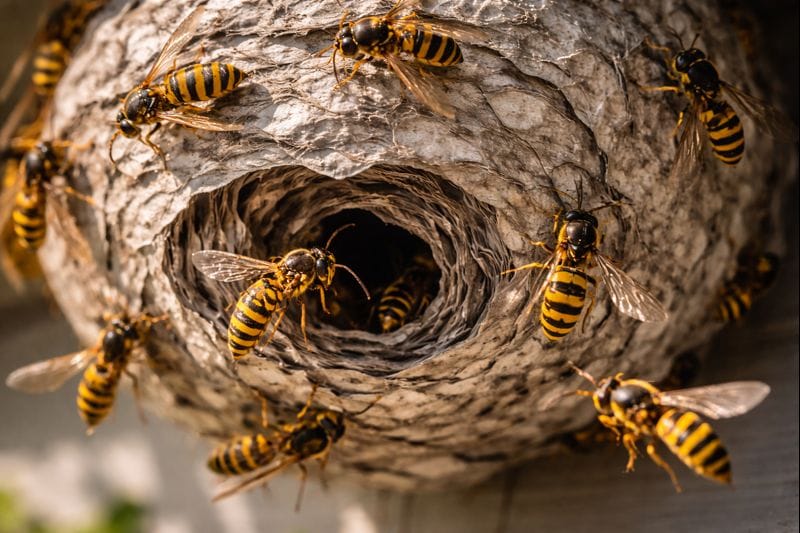
Discovering a wasp nest around your home can be stressful — especially if you’re unsure how to deal with it safely. Many homeowners immediately search how to get rid of wasp nest, but the reality is that removing one incorrectly can increase the risk of stings.
In Australia, where aggressive species like European wasps are common, safe removal is essential.
That’s why professional pest control services are often the safest and most effective option when dealing with active nests.
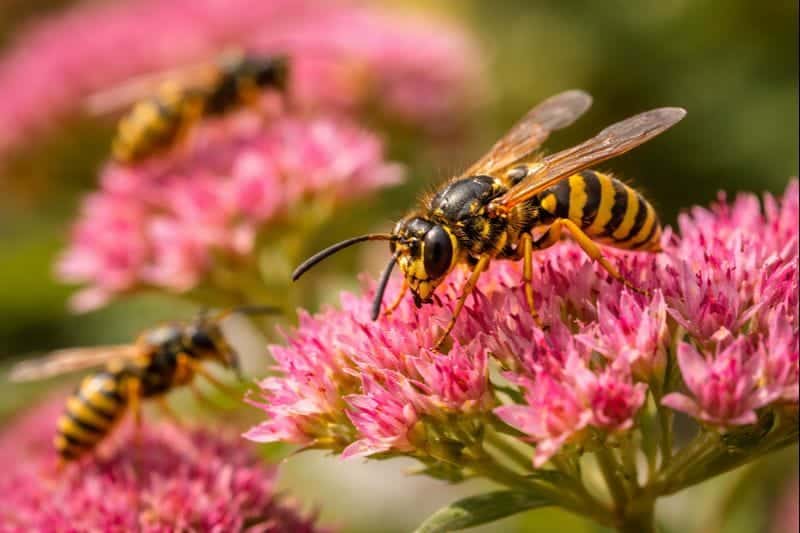
Why Wasp Nest Removal Is Important for Your Home
Wasp nests grow quickly, especially during warmer months. What starts as a small structure can become a large colony within weeks.
Leaving a nest untreated can lead to:
- Increased wasp activity around your home
- Higher risk of multiple stings
- Nest expansion in hidden areas
- Safety risks for children and pets
Early action is always the best strategy.
How to Identify a Wasp Nest Around Your Home
Common Signs of a Wasp Nest
You may have a nest nearby if you notice:
- Repeated wasp activity in one area
- Wasps entering and exiting small gaps
- A visible nest structure under eaves or on walls
Where Wasps Typically Build Nests
Wasps tend to choose sheltered and protected areas such as:
- Roof eaves and ceilings
- Garden structures
- Wall cavities and brick gaps
- Trees and shrubs
Safety Checklist Before Removing a Wasp Nest
Before attempting any removal, take precautions:
- Wear long sleeves and protective gear
- Keep a safe distance
- Ensure pets and children are indoors
- Avoid working during peak daytime activity
Even small nests can trigger aggressive behaviour.
Step-by-Step: How to Get Rid of a Wasp Nest Safely
Step 1: Stay Calm and Assess the Situation
Observe the nest from a distance and identify activity levels before taking action.
Step 2: Identify the Type of Wasp Nest
Different species require different approaches. If unsure, review the difference between paper wasps and european wasps to better understand the risk.
Step 3: Prepare Protective Clothing and Equipment
Use gloves, long clothing, and face protection to reduce the risk of stings.
Step 4: Remove Small Wasp Nests Carefully
Small, visible nests can sometimes be removed at night when wasps are less active — but only if it’s safe to do so.
Step 5: Use Natural or DIY Deterrents With Caution
If you’re considering natural methods, keep in mind that options like sprays or home remedies may not fully eliminate the colony. Many people search how to get rid of wasp nest naturally, but these solutions are usually temporary.
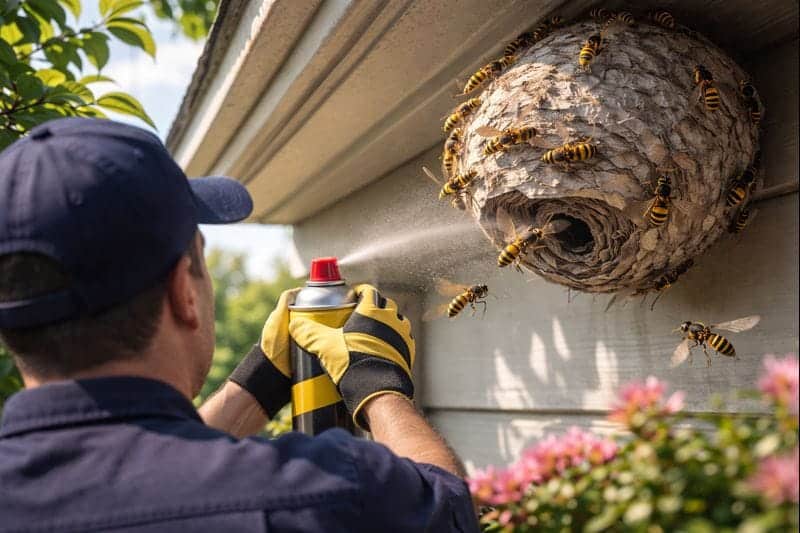
How to Remove Different Types of Wasp Nests
How to Get Rid of a Paper Wasp Nest
Paper wasps build small, umbrella-shaped nests that are often visible under eaves. These are easier to access but still require caution.
How to Get Rid of a European Wasp Nest
European wasps are more aggressive and often nest underground. If you’re dealing with one, it’s strongly recommended to avoid DIY removal and seek professional help.
How to Get Rid of a Mud Wasp Nest
Mud wasps build tube-like nests on walls. These are usually less aggressive and can be removed carefully once inactive.
How to Remove a Wasp Nest on a Wall or Brick Wall
When nests are located inside walls or brick cavities, removal becomes more complex. In these cases, accessing the nest safely is difficult without professional tools.
Frequently Asked Questions About Wasp Nest Removal
How Do You Get Rid of a Wasp Nest Safely?
The safest approach is professional wasp pest control, especially for hidden or active nests.
Can You Remove a Wasp Nest Yourself?
Only very small and accessible nests can be handled safely. Larger nests should be avoided.
What Is the Safest Time to Remove a Wasp Nest?
At night, when most wasps are inside and less active.
How Do You Get Rid of a Wasp Nest in Australia?
Due to the presence of aggressive species, professional removal is often the best option.
Knowing how to handle a wasp nest safely is essential for protecting your home. While some small nests may be manageable, many situations require expert support to avoid risk.
For long-term prevention and peace of mind, ongoing residential pest control helps keep your home free from wasps and other pests.